AIR
Through the ear canal
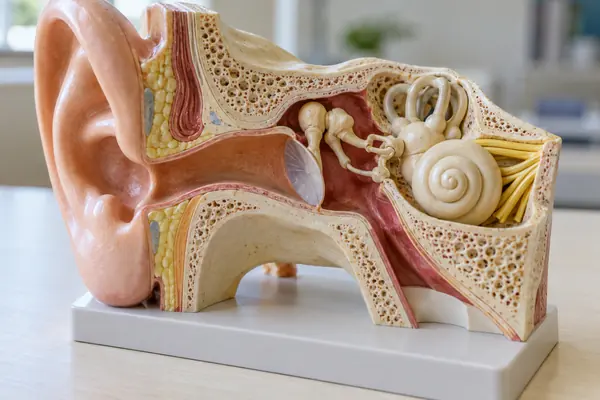
Sound travels down the ear canal, vibrates the eardrum, and three tiny bones pass it on to the cochlea. A recording reaches you mostly this way.
Trace the sound doodlevoices

WHAT THE RESEARCH SAYS
Many people are surprised by their own voice on playback.
There is a physical reason. When you talk, you hear yourself through the air and through the vibrating bones of your head. A recording carries only the air part. Psychology adds a twist: what we expect to hear shapes the shock.
TWO PATHS air and bone
Trace the soundTHE SHORT ANSWER
You hear yourself differently from everyone else.
A recording is how they hear you.
AIR
Sound travels down the ear canal, vibrates the eardrum, and three tiny bones pass it on to the cochlea. A recording reaches you mostly this way.
Trace the soundBONE
When you speak, vibrations from the vocal folds shake the bones of the skull and stimulate the cochlea directly. That part is missing from playback.
Why it mattersTHE MIND
A 2025 study found most people thought their unaltered recording had been lowered in pitch, which bone conduction alone does not explain.
See the studies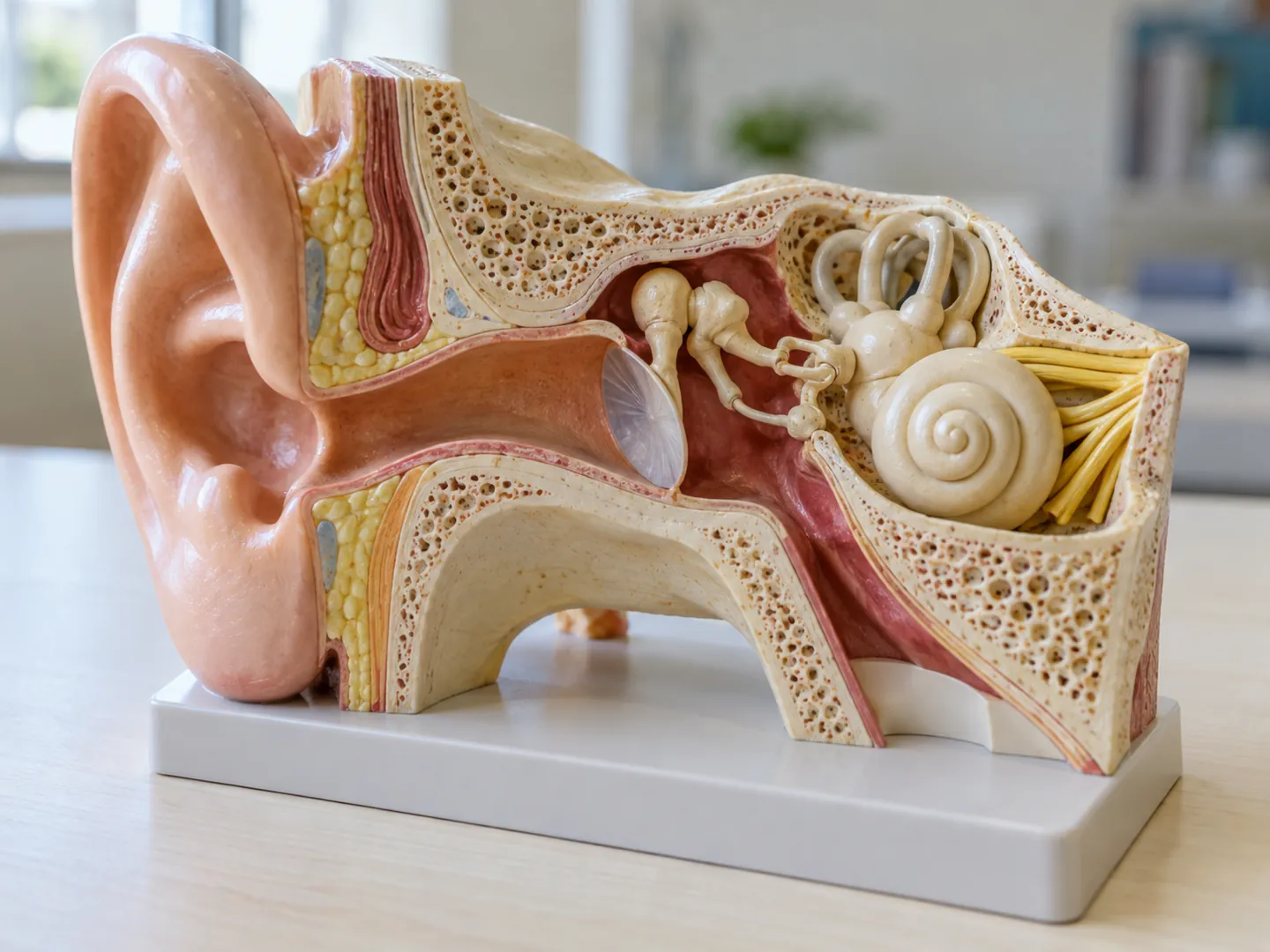
FOUR THINGS TO TRY
These are simple ways to notice the two pathways for yourself. None needs special equipment.
Record a sentence, then listen after a pause, as the 2025 study did. Notice whether it seems higher or lower.
The 2013 authors suggest a mere exposure effect: we tend to like what is familiar, even without knowing it is our own voice.
Other people hear you through the air, the same main route a recording takes to your ears.
Remember that your live voice includes skull vibration that no microphone in the room picks up.
TWO STUDIES WORTH KNOWING
One study on liking,
one on hearing pitch.
80
Listeners who rated hidden voice clips
In a study by Susan Hughes and Marissa Harrison, people rated their own recorded voice, without realising it was theirs, as more attractive than other raters did.
LIKING · PERCEPTION, 2013
10 minutes
Wait before hearing their recording
Participants recorded a sentence, left the room, then heard the unaltered recording. Most believed it had been lowered in pitch, against a strong bone-conduction explanation.
PITCH · CANADIAN ACOUSTICS, 2025
The 2025 authors conclude that people do not judge their own voice accurately and that more than air and bone differences is at work.
A QUICK SOUND CHECK
Pick a listening situation to see which pathway carries the sound. The bar shows how much of it arrives through bone.
Based on an Acoustical Society of America lay paper by Stanford researchers and the US National Institute on Deafness and Other Communication Disorders.
INSIDE THE EAR
NIDCD describes the air route: sound waves travel down the ear canal to the eardrum, three tiny bones called the malleus, incus and stapes amplify the vibrations, and the fluid-filled cochlea turns them into nerve signals.
The bone route skips the ear canal. Stanford researchers explain that it stimulates the cochlea whether or not the middle ear is working, which is why audiologists use it to tell middle-ear problems from inner-ear ones.
Questions
When you speak, a significant part of what you hear comes through vibrations in the bones of your skull. A recording is heard mostly through the air, so that bone-conducted part is missing.
Broadly, yes. Other people hear your voice through the air, which is also the main way you hear a recording played back.
That is the common explanation, but a 2025 study in Canadian Acoustics found most people thought their unaltered recording had been lowered in pitch, which a strong bone-conduction view does not predict.
In a 2013 study of 80 people, participants rated their own recorded voice, without realising it, as more attractive than other raters did. The authors suggest familiarity may play a part.
NIDCD explains that the eardrum vibrates, three middle-ear bones pass the vibrations to the cochlea, hair cells there turn the movement into electrical signals, and the auditory nerve carries them to the brain.
Updated
ABOUT THIS NAME
doodlevoices.com is part of the DoodleSale portfolio. It isn't in an auction right now, but you can ask about leasing it.